what are you looking for?
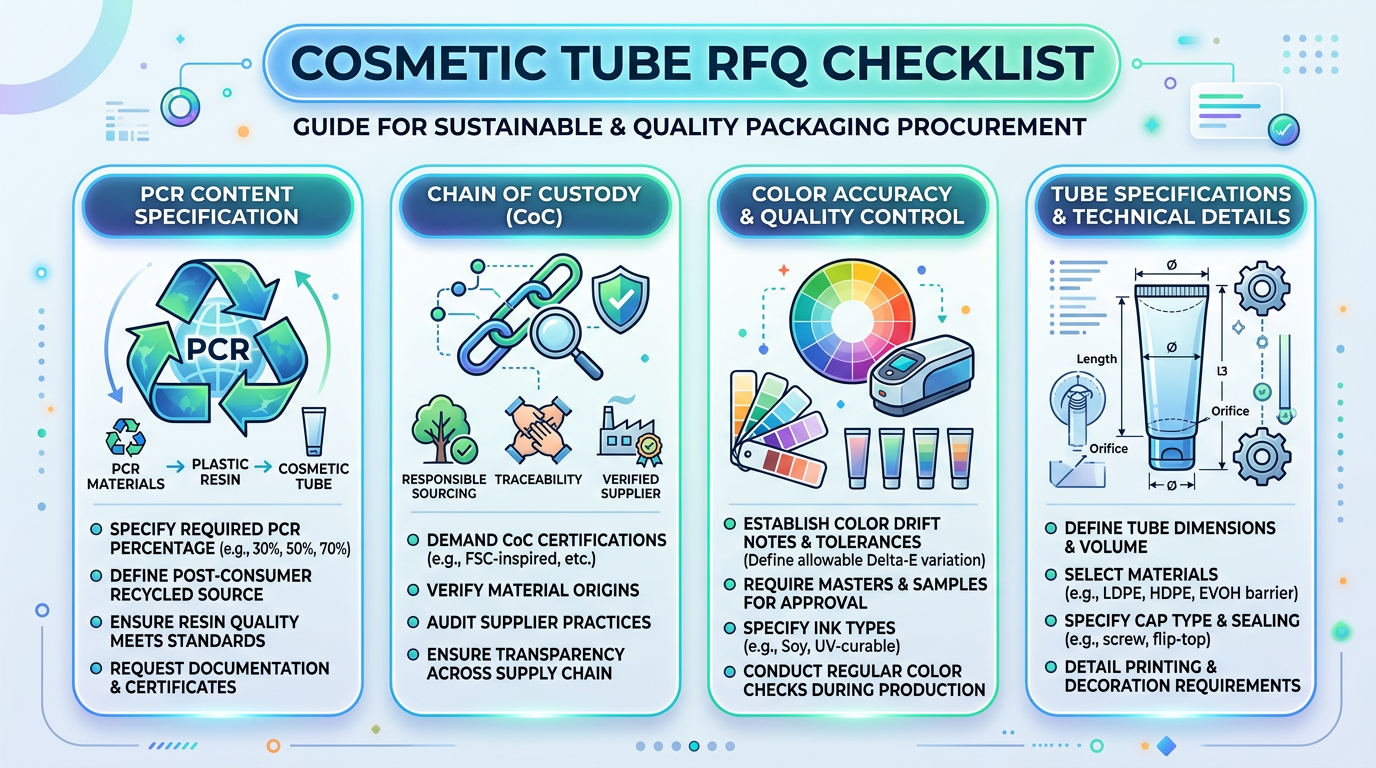
Post-consumer recycled PE or PP helps brands meet public commitments and retailer scorecards. It also introduces batch variability: slight odor, color drift, and the need for certificates that trace resin to an approved stream. Procurement teams searching “PCR squeeze tube supplier” are usually trying to balance story, cost, and technical risk in one RFQ.
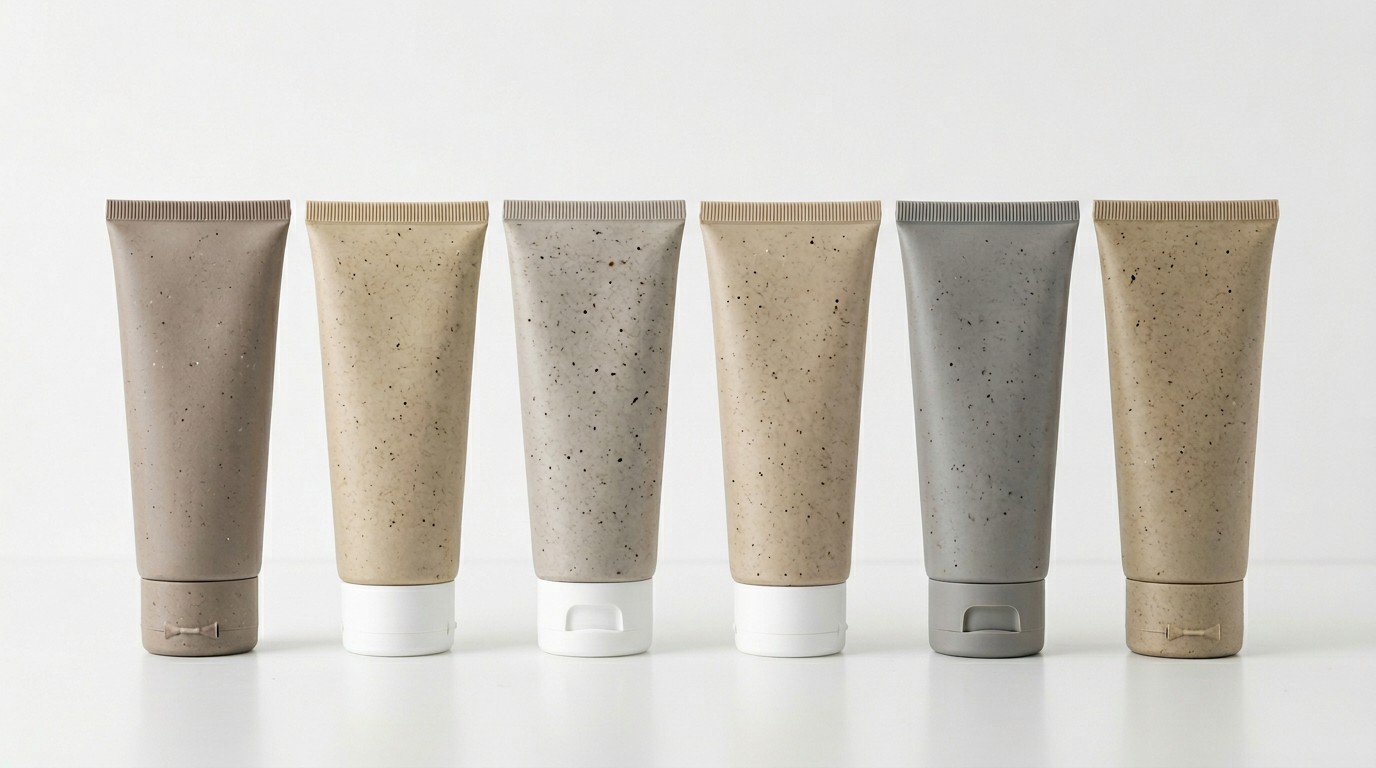
State a target PCR percentage by weight of packaging, not by mood board. Define acceptable color delta in measurable terms, and whether chemical recycling content is allowed if mechanical flake is unavailable. Align on food-contact or cosmetic-grade claims separately—recycled does not automatically mean suitable for every formula.
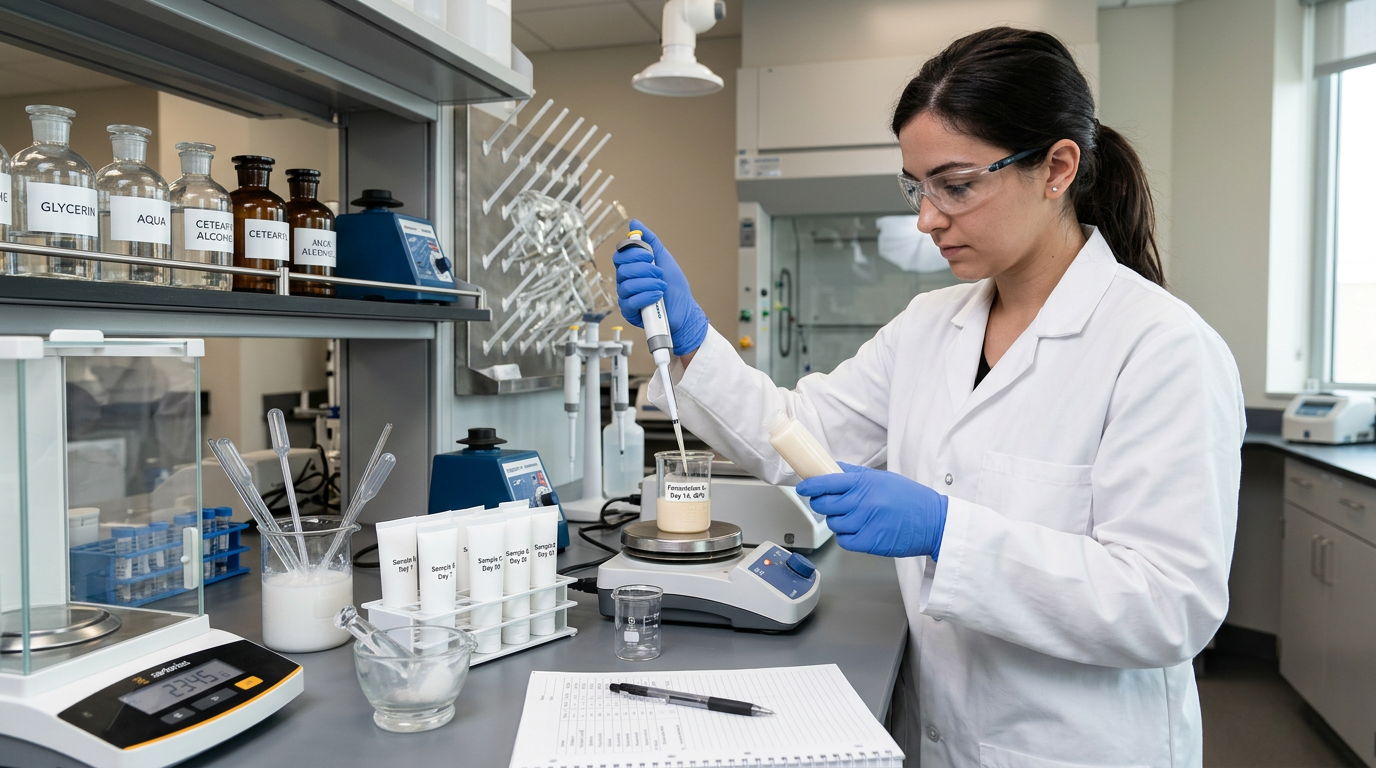
Fragrance-heavy fills, ethanol-rich gels, and low-pH peels can swell or stress-crack PCR blends differently than virgin lots. Run compatibility alongside your standard three-month accelerated protocol, not as an afterthought. Inks and hot foil can also shift adhesion when the substrate surface energy changes between PCR lots.
Chain-of-custody paperwork, lot coding that ties finished tubes to inbound resin batches, and test summaries for heavy metals or restricted substances should be part of the award—not a scramble at customs. If a supplier cannot show how they segregate PCR from virgin on the floor, assume traceability risk.
PCR tubes are viable for many personal care categories when buyers treat recycled resin like a new raw material: qualify it, monitor it, and communicate limits honestly on-pack and in retailer forms.

 Add: No.2, Nanyu Street, Xinzao Town, Panyu District, Guangzhou City, China
 Mobile:+86 13560168895
 Email: [email protected]
 WhatsApp: +86 13560168895


 LEAVE A MESSAGE




 Free Sample