what are you looking for?
For years, cosmetic tubes mixed PE bodies with PP caps and sometimes surprise layers in the shoulder. That combination often works technically, but it complicates how retailers and municipalities score recyclability. Mono-material polypropylene assemblies—cap, shoulder, and tube wall engineered as PP where feasible—give brands a simpler story when they file packaging questionnaires or respond to ESG audits.
This shift is not fashion. It follows how mechanical recycling lines actually sort: similar melt flows and resin codes reduce contamination risk. A mono-PP tube does not automatically guarantee every market will recycle it, yet it removes a common objection from buyers who already struggle to explain multi-resin packs to consumers.
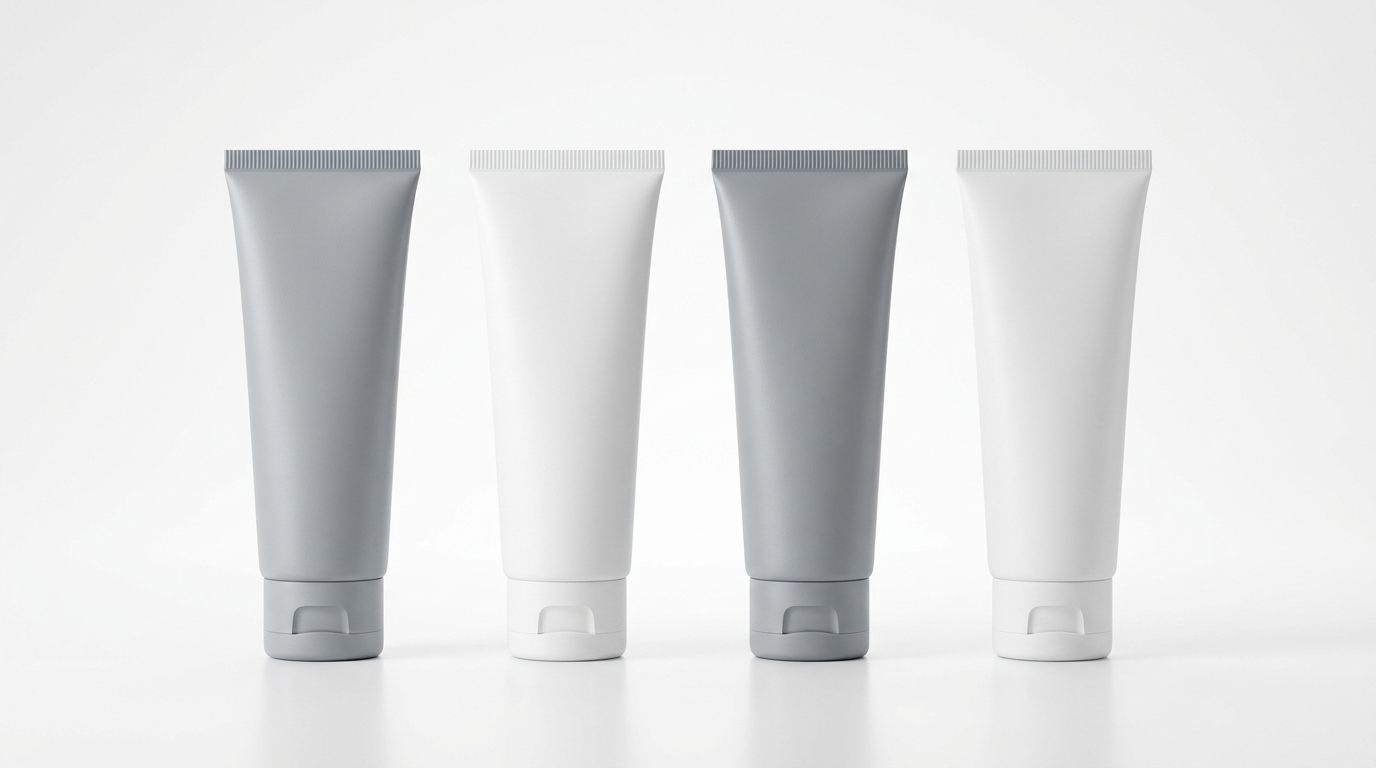
Mono-material means the load-bearing plastics share a compatible recycling pathway where infrastructure exists. It does not remove the need for inks, varnishes, or labels that must be tested against your recycler’s rules. A heavy metallized sleeve or PVC shrink band can undo an otherwise clean PP construction.
Barrier remains the tension point. Oxygen-sensitive serums may still need coextruded structures or a complementary format such as a small airless bottle. The art is choosing the smallest deviation from mono-PP that still protects the formula, rather than stacking exotic polymers for marginal shelf life gains.
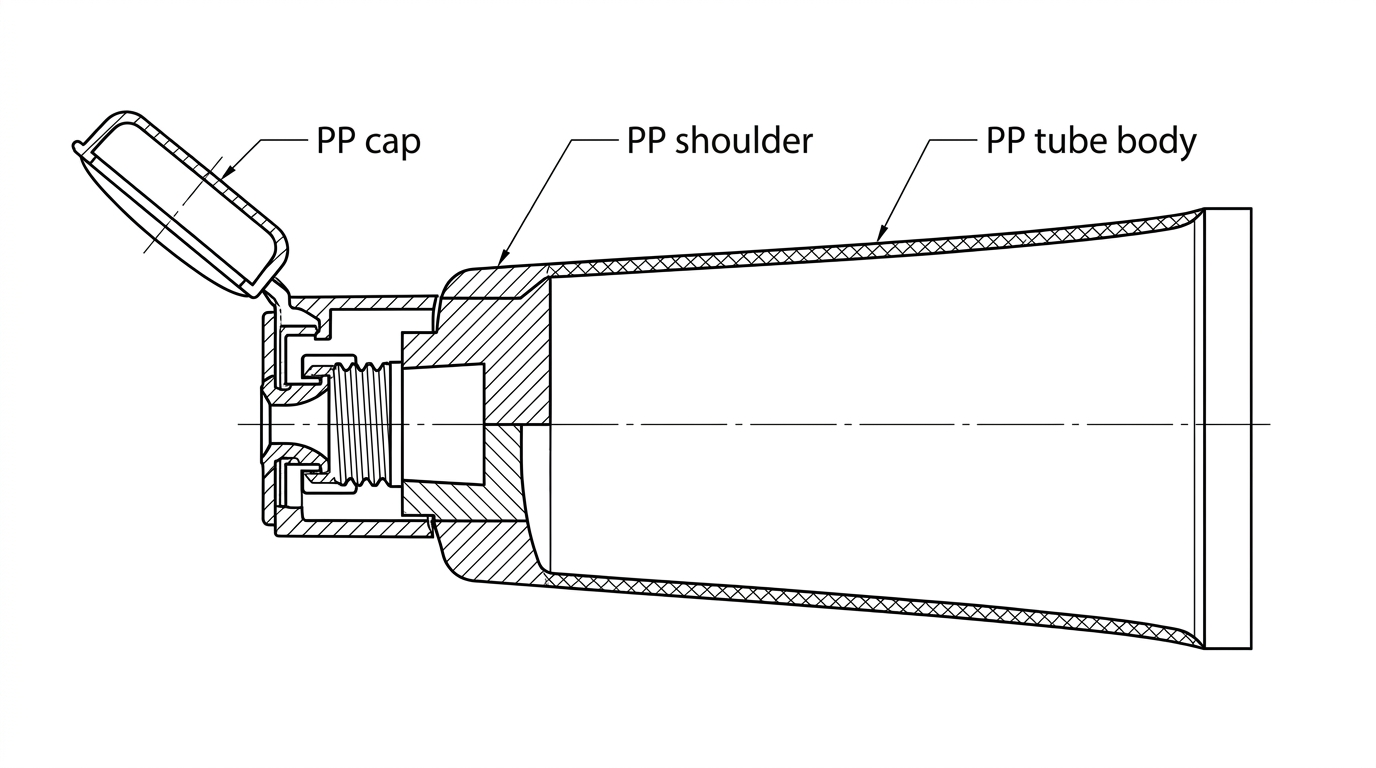
Hinges on flip-top caps, living hinges, and pigment load all influence sortability narratives. Early collaboration with your converter lets you lock decoration that survives flex testing without delaminating in ways that look like “foreign material” on a belt.
Document everything you ship: resin grade, colorant system, any adhesive on labels, and torque bands after filling. When a retailer changes their recyclability template, you update a factsheet instead of reopening the mold.
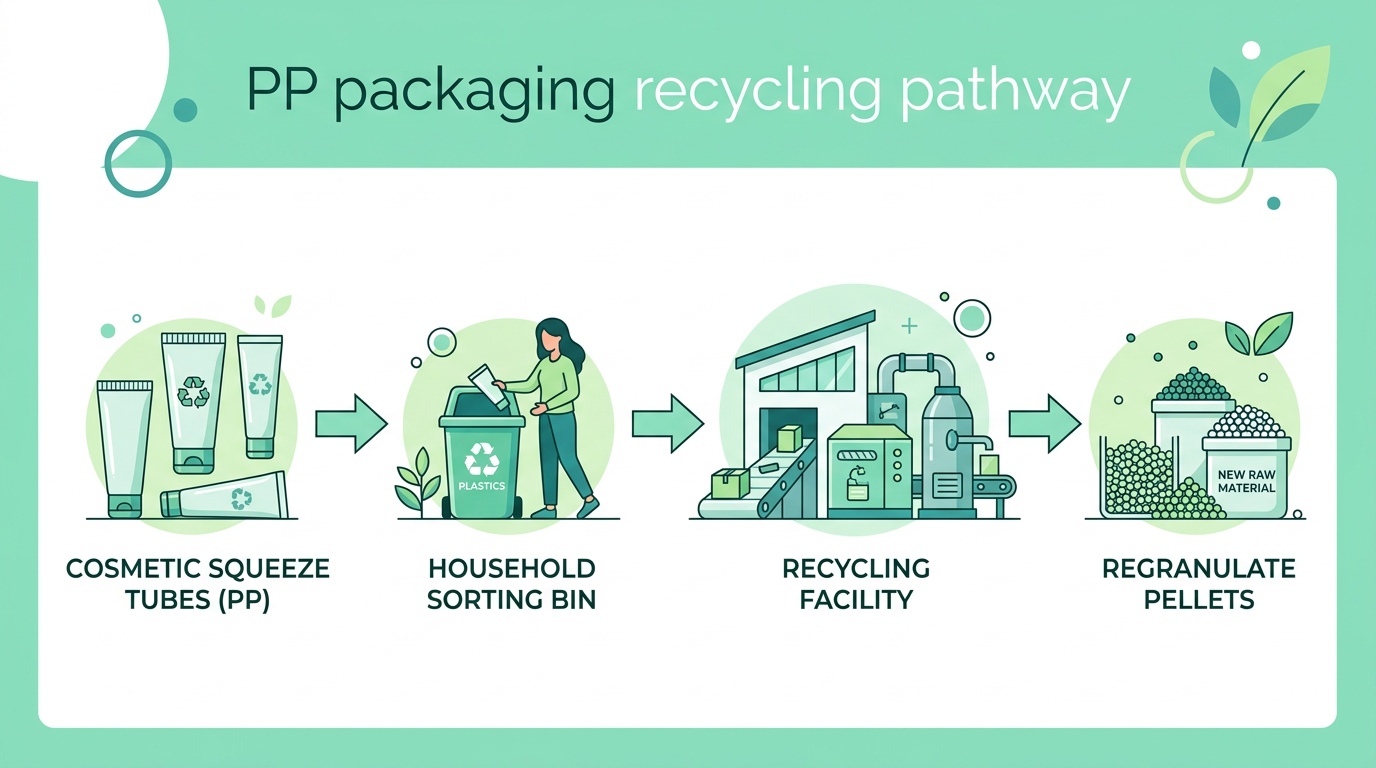
Ask for history—not marketing decks. Request drop-test data at your fill weight, shoulder weld photos under magnification, and whether they have run PCR-PP alongside virgin in your diameter class. If they hesitate on migration work for your solvent load, treat that as a schedule risk, not a footnote.
Pilot two wall-thickness targets and measure hand feel with your target consumer panel. PP can feel “premium” when wall and shoulder design are tuned; it can also feel stiff if you over-specify barrier layers you do not need.
Mono-PP tubes are a procurement strategy tied to compliance and communication as much as to polymer science. Pick the narrowest construction that protects the product, prove it with data, and keep artwork flexible enough to track evolving recycler language.

 Add: No.2, Nanyu Street, Xinzao Town, Panyu District, Guangzhou City, China
 Mobile:+86 13560168895
 Email: [email protected]
 WhatsApp: +86 13560168895


 LEAVE A MESSAGE




 Free Sample