what are you looking for?
In 2026, recycled content is no longer a free marketing advantage. Retailers and compliance reviewers increasingly treat “PCR” claims as a documentation exercise: what PCR source, what percentage scope, what evidence, and what limits. If you only chase conversion, you can lose approval speed.
For cosmetics tube suppliers and brand buyers, the key phrase trend is “green claims substantiation.” Long-tail queries like “PCR tube claim evidence,” “recycled content labeling scope,” and “how to avoid misleading sustainability claims” are becoming common in sourcing conversations.
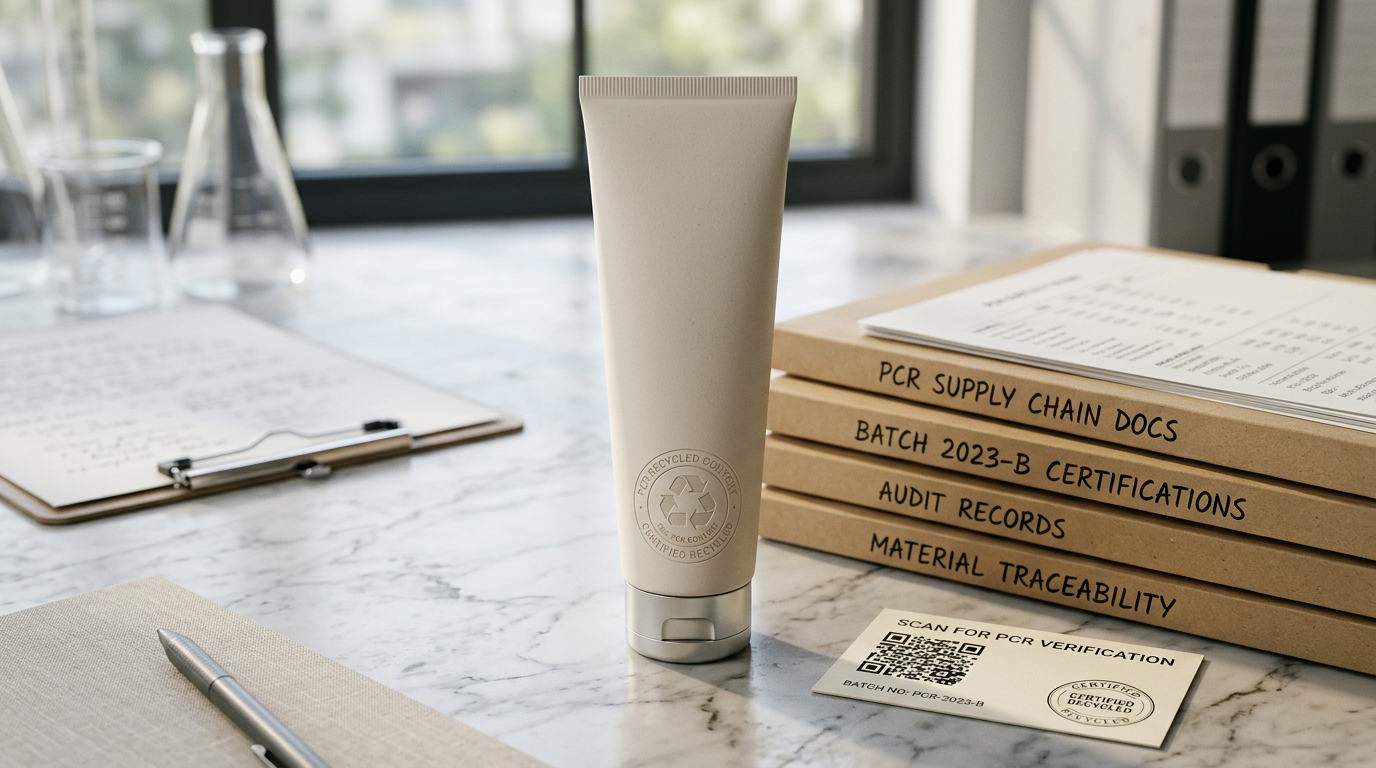
Separate two concepts buyers confuse: PCR content in the packaging material versus PCR content in the supply chain. Your label statement should match the evidence scope. If your PCR declaration is by weight of the tube body only, do not imply the entire pack assembly includes the same PCR percentage.
Also lock time validity. If your PCR supplier changes lot composition or reduces traceability quality, your claim scope must update. “We used PCR last quarter” is not the same as “this batch supports the claim you printed.”
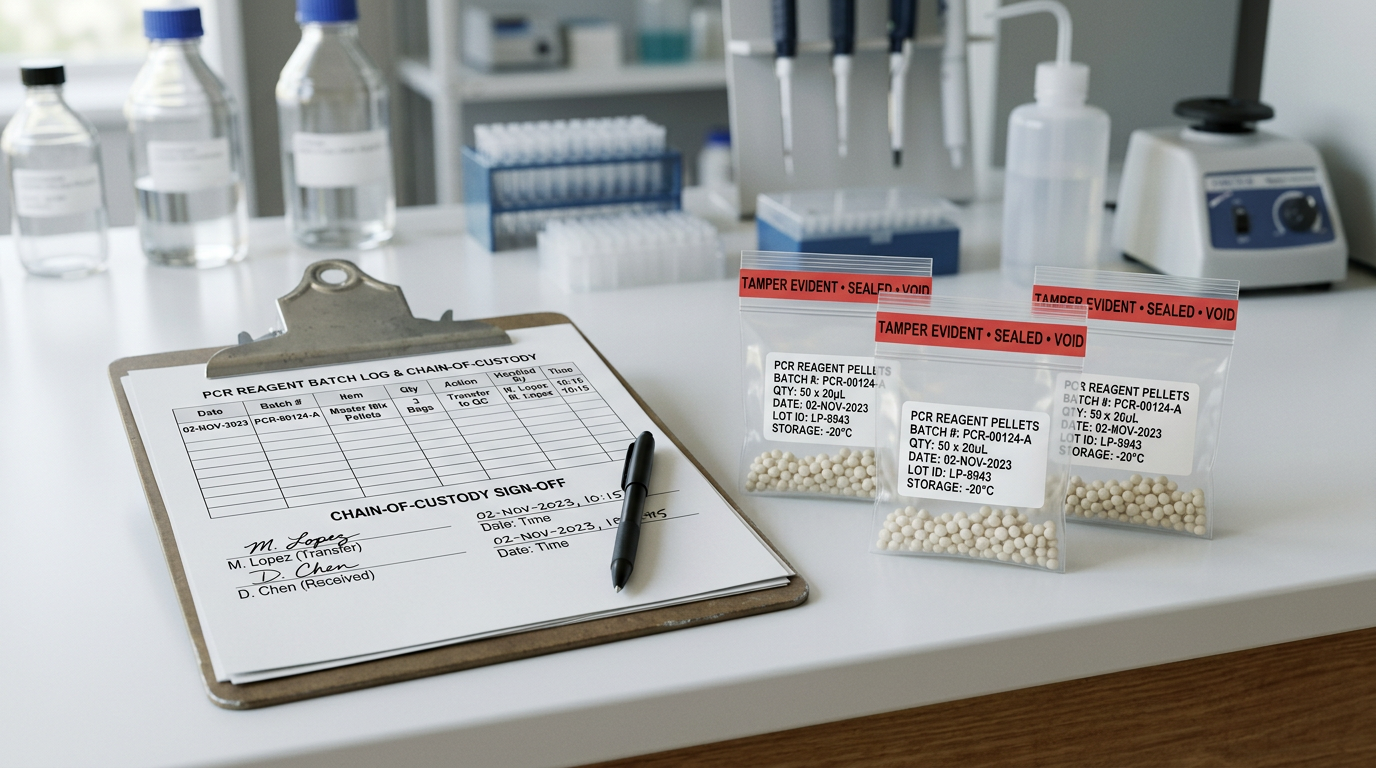
PCR documentation needs a chain-of-custody narrative that is easy to audit. Ask for lot-level linkage: how finished tubes connect to inbound resin batches, and how documentation can be refreshed if a retailer changes their questionnaire format.
If you expect color drift and odor variability, treat testing as part of claims substantiation. When a PCR shift affects perceived quality, customers will still complain—even if the PCR number is correct.
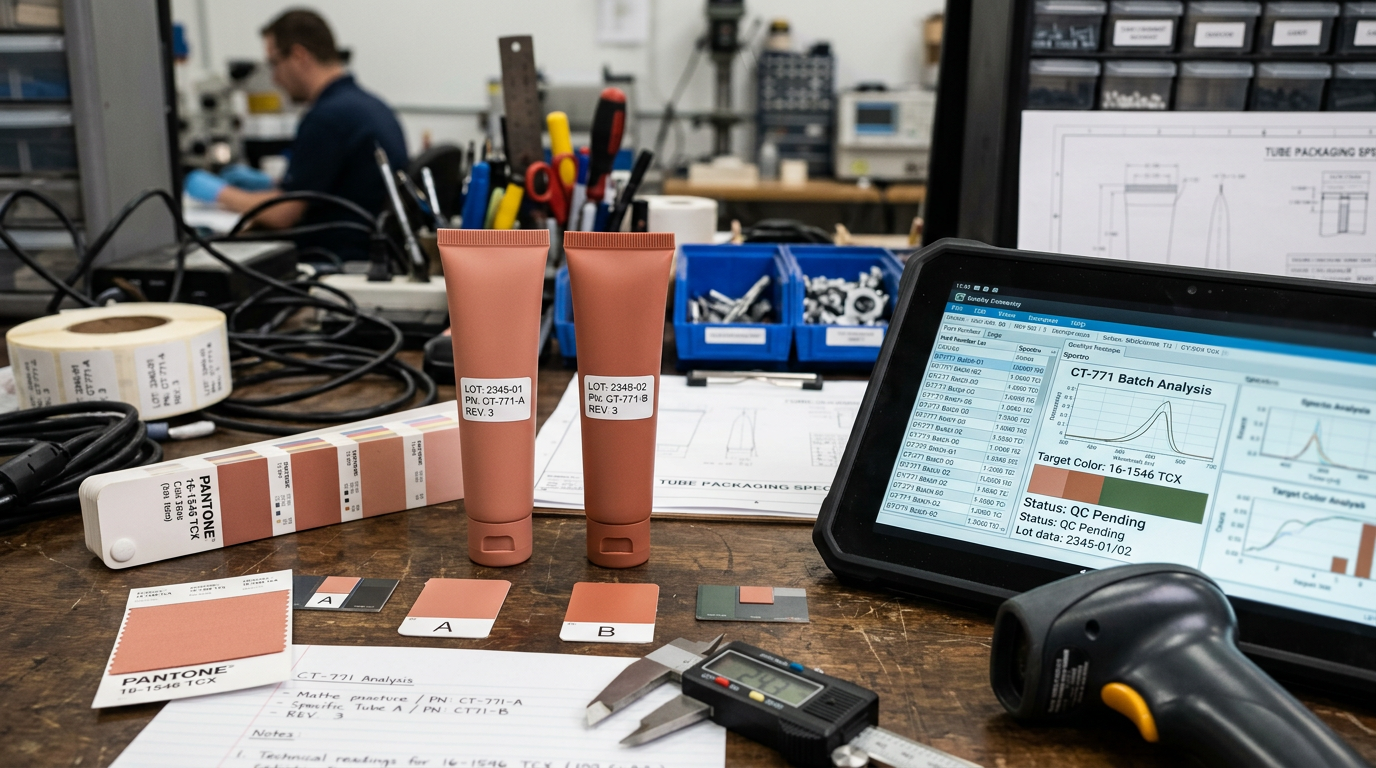
PCR blends can change pigmentation behavior and surface energy, impacting ink adhesion and hot foil consistency. That means your decoration system can become a hidden variable in PCR claim performance—even when the packaging is technically compliant.
To make your claim operational, define acceptance tests tied to your PCR configuration: color delta thresholds, rub/adhesion checks after flexing, and sensory stability checks relevant to your formula categories.
A clean PCR label is not only about style. It is about precision: clarify which component the percentage refers to, avoid stacking multiple sustainability icons without matching evidence, and ensure recyclability text does not over-promise for multi-material assemblies.
Consider using footnote-style language on the packaging back panel (where space allows) to clarify claim scope. It is usually cheaper than replacing print runs after a retailer rejects your current wording.
Ask your tube supplier for PCR evidence in advance: resin source statement, PCR percentage basis (by weight and component), lot traceability method, and change-management conditions. Then ask your decorator for documentation about inks/varnishes used on the PCR-configured substrate.
Finally, plan your approval loop: claim verification should happen alongside prepress, not after the decoration is already locked. That is the practical way to protect both SEO-friendly sustainability copy and compliance speed.

 Add: No.2, Nanyu Street, Xinzao Town, Panyu District, Guangzhou City, China
 Mobile:+86 13560168895
 Email: [email protected]
 WhatsApp: +86 13560168895


 LEAVE A MESSAGE




 Free Sample