what are you looking for?
As microplastics concerns expand from environment headlines into consumer awareness, buyers ask a different question for cosmetic tube programs: not “is the tube plastic,” but “can packaging wear generate particles and how is it controlled.” This is why long-tail queries like “microplastics from packaging coatings” and “ink abrasion particle control” are rising in supplier calls.
Even if your tube resin is stable, abrasion cycles—storage vibration, squeezing mechanics, and shipping impact—can influence coating wear. If the wear is not controlled, particle release risk becomes a real discussion point for audits.
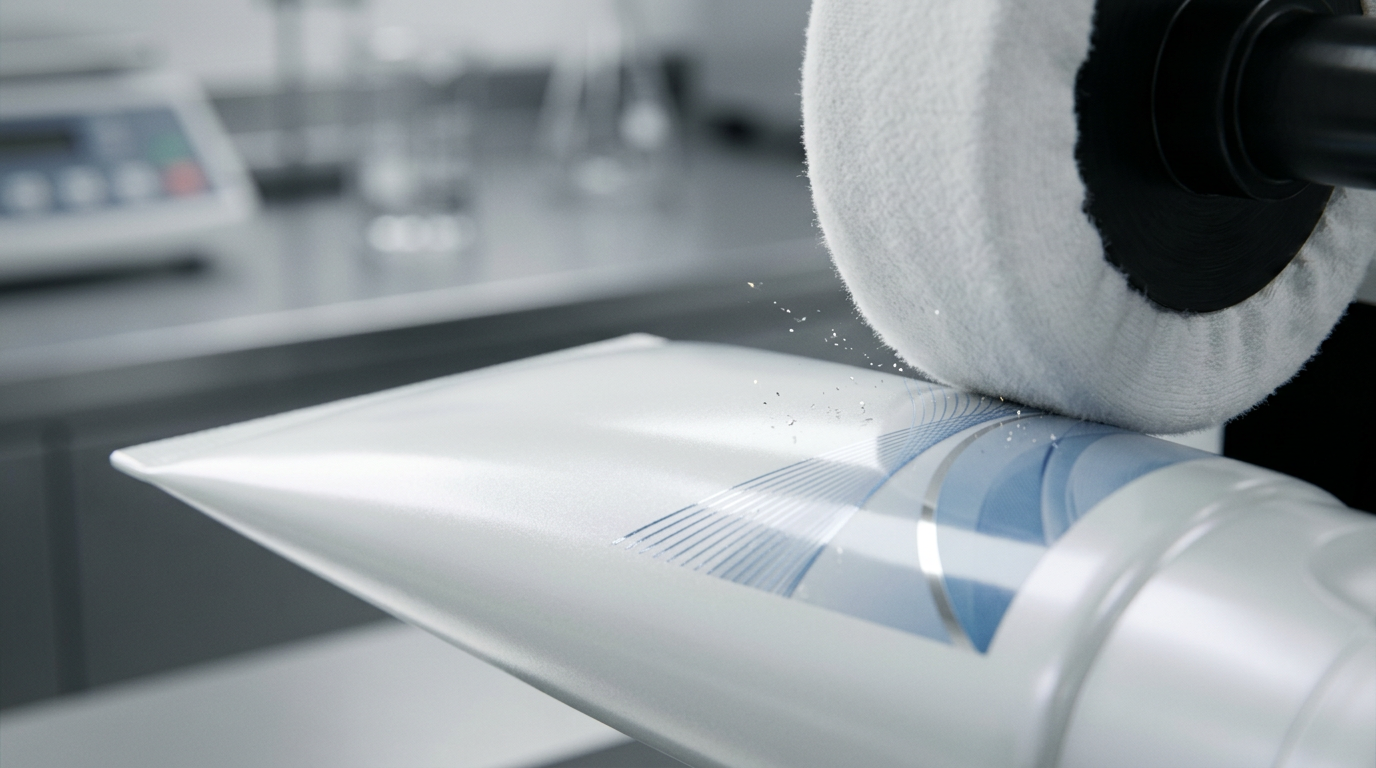
Think in layers: outer decorations (inks, varnishes, coatings), label stocks and adhesives, and functional features like anti-slip textures. Over time, flexing and rub can create micro-fragment pathways if the coating adhesion and formulation are not engineered for durability.
Microplastics risk conversations also include cleaning and consumer misuse. If consumers open, reclose, or scrape surfaces in ways your tests do not model, you can under-estimate wear in the real usage cycle.
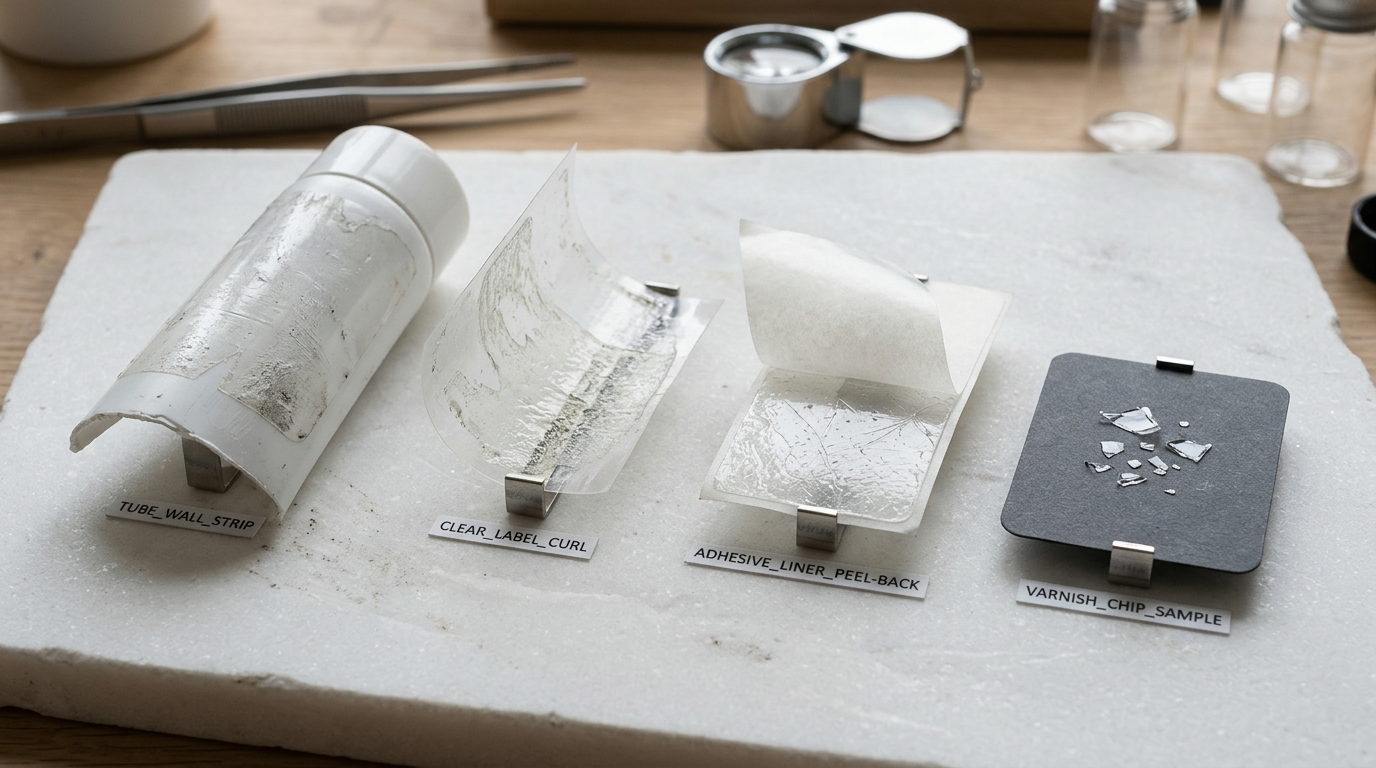
Rub resistance is necessary, but it is not sufficient. Ask for evidence of coating integrity after repeated squeeze and flex cycles. If possible, require a defined adhesion retention profile and a clear statement about what happens when coatings are exposed to your formula solvents and fragrances.
Also clarify binder systems and pigment types used in decorative layers. Suppliers should be able to provide composition declarations and—when required—analytical screening relevant to the substances that concern your market.
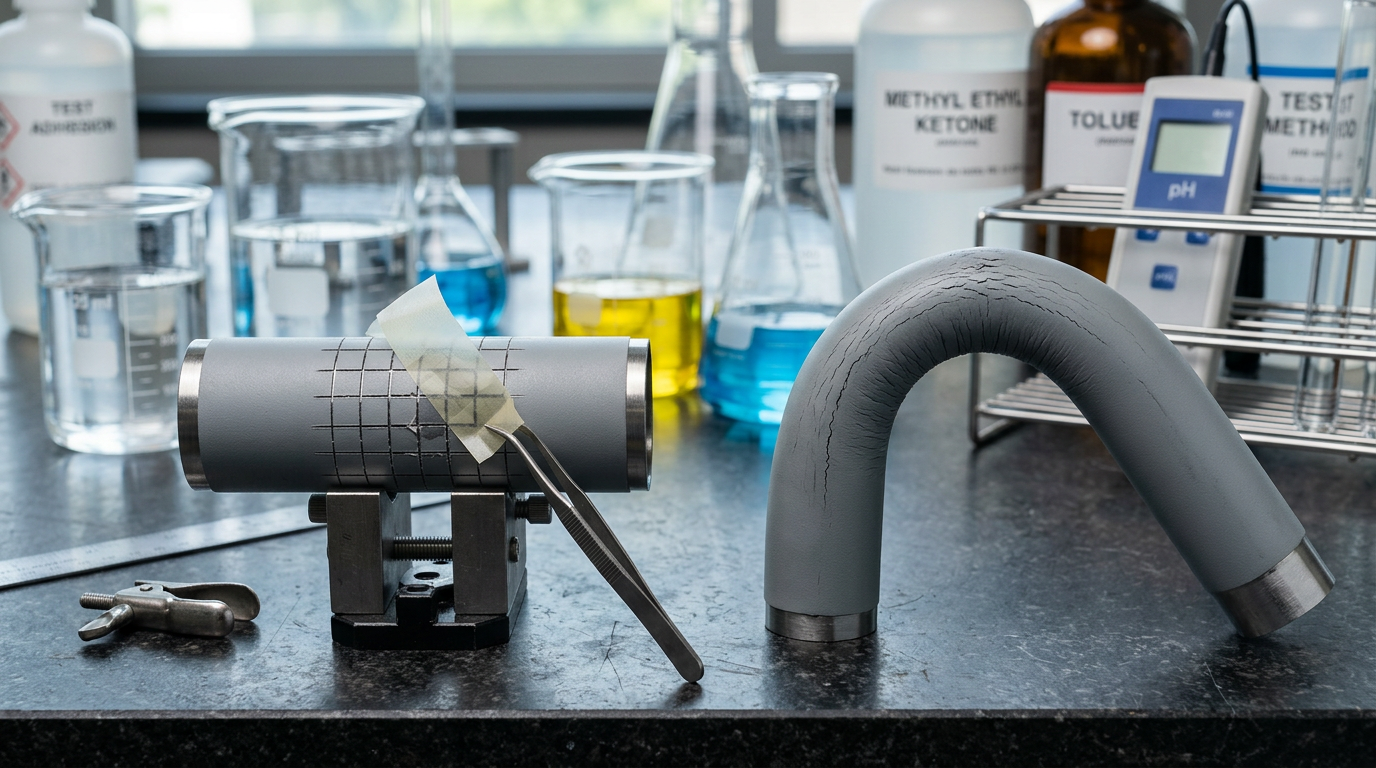
Design your testing as an abrasion narrative. Combine adhesion checks, visual wear scoring, and flex endurance under conditions that resemble shipping and shelf-life stress. If your program is high-risk (premium coatings, heavy textures, or complex label systems), add particle-release indicators with an agreed method.
Document test assumptions. Auditors care about “what you tested” and “how your test represents the end market.” When you write it down, you reduce debate during compliance review.
Create a question library you reuse: coating adhesion retention, label adhesive wear behavior, cleaning resistance, solvent exposure robustness, and whether the supplier can confirm composition stability across production lots.
For speed, align sampling windows with your test plan. If you request abrasion tests too late, you will either accept risk to protect schedule or rework too late to keep your print cycle efficient.
Microplastics control is not only a materials chemistry problem. It is a durability engineering problem for coatings and decorations under real abrasion cycles. When you treat it that way, you improve both compliance outcomes and brand perception.
If you are starting in 2026, prioritize programs with high coating complexity and high consumer handling risk. Build evidence once, then extend the same test logic across SKUs.

 Add: No.2, Nanyu Street, Xinzao Town, Panyu District, Guangzhou City, China
 Mobile:+86 13560168895
 Email: [email protected]
 WhatsApp: +86 13560168895


 LEAVE A MESSAGE




 Free Sample