what are you looking for?
Refill and reuse is a long-running sustainability concept, but 2026 is when it becomes operational for more brands: return logistics, hygiene proof, and durable component design. Buyers increasingly search “refillable tube system,” “returnable cosmetic packaging,” and “reuse logistics cost” when they build 2026 sustainability roadmaps.
The key shift is that reuse is not only about materials. It is about engineering repeatability: how a consumer handles the pack, how the pack survives multiple cycles, and how the supply chain processes returns without turning the program into a quality liability.
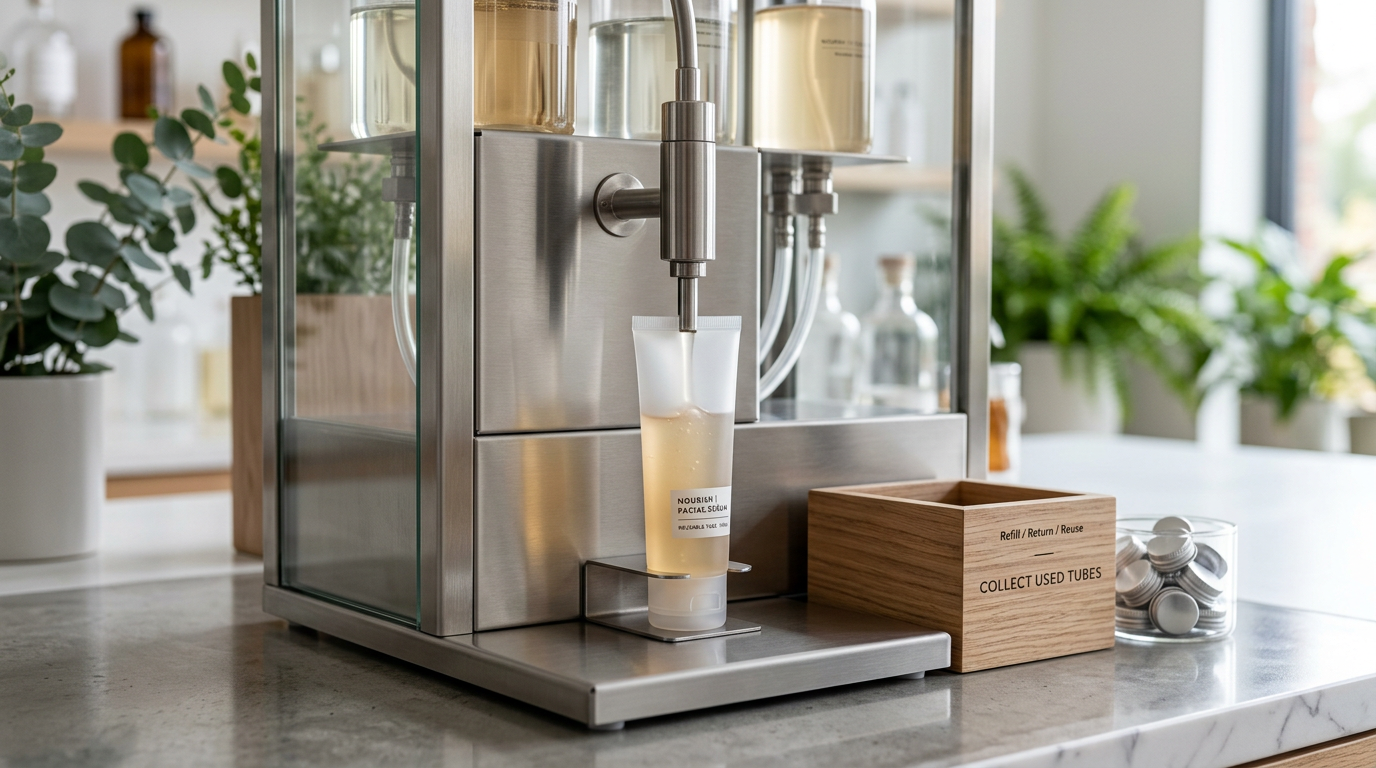
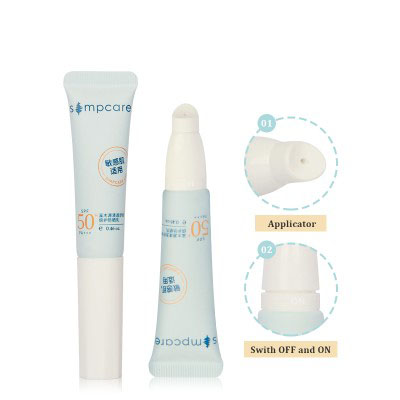
A tube-style format can work for reuse because it is easier to close and less likely to require a spatula interface. However, reuse adds new requirements: closure robustness across repeated handling, prevention of contamination at the opening, and confirmation that the packaging can withstand repeated filling and reprocessing steps.
Jars often face higher contamination assumptions. Pumps require careful sanitation controls. If your brand wants refill scale, evaluate which dispensing interface best supports hygiene consistency while staying compatible with your formula viscosity and particulates.

Reuse programs need QC gates that go beyond cosmetic appearance. Verify sealing performance after repeated cycles, confirm that liners and threads maintain fit, and align tolerance checks with closure suppliers. In practice, the riskiest part is often the cap interface, not the container wall.
Also model real-world misuse: consumers may store units upside down, drop them, or reuse them after long storage. Your testing must include these scenarios, or your program will discover failure modes in the field.
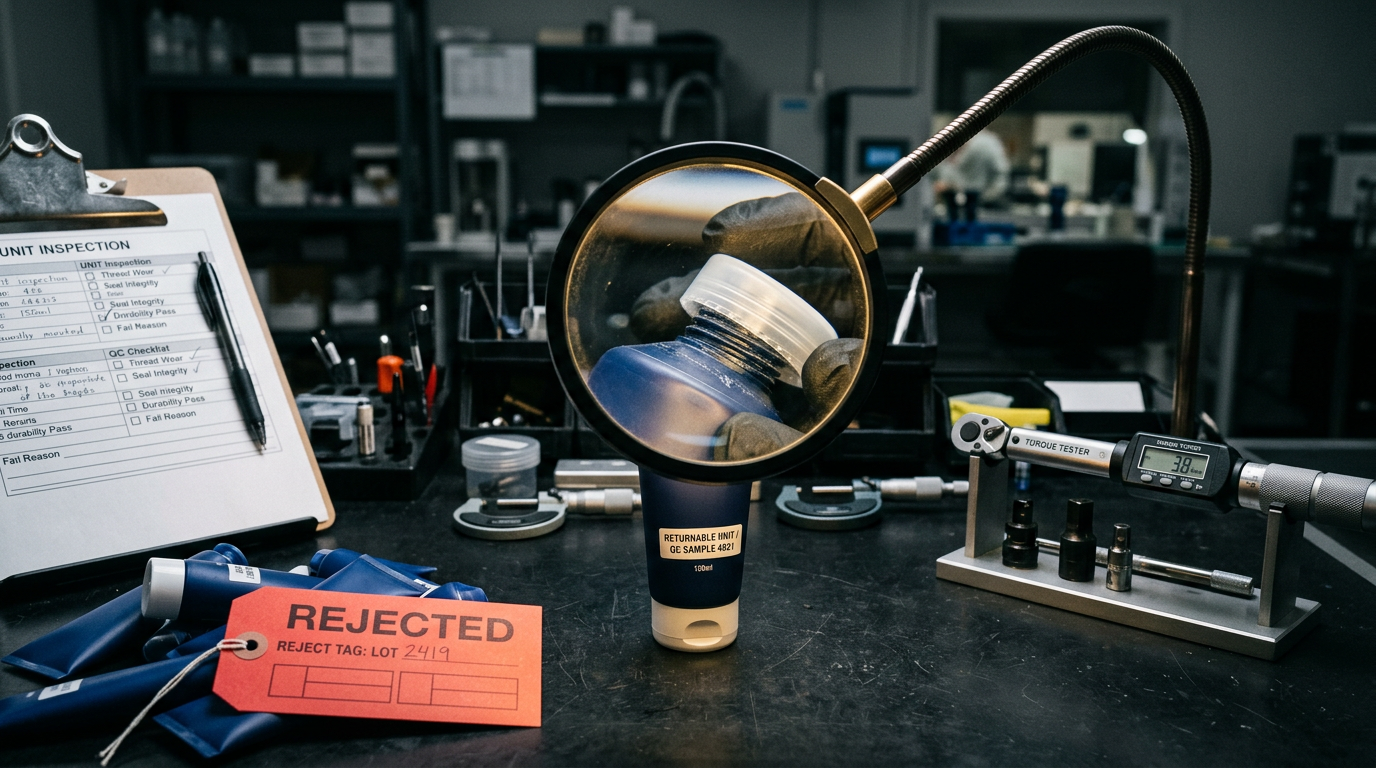
Refillable systems succeed when reverse logistics are planned early: return rates, sorting rules, cleaning/sanitization assumptions, and when units are removed from the loop. If you ignore this, even a technically good pack can fail economically.
Build a return-to-reuse policy: define eligibility, define cleaning steps, and define who owns the evidence. For B2B programs, a small documentation pack can reduce partner friction and speed approvals.
Avoid generic claims. Define what you can measure: number of cycles, failure rates by defect mode, and energy/material assumptions tied to your return model. When your metrics are specific, you can produce audit-friendly evidence and also generate SEO content that users actually trust.
In your content strategy, include long-tail phrases like “reuse cycle testing,” “returnable packaging QA,” and “refill system documentation.” These terms match the questions buyers ask when they evaluate vendor credibility.
If you treat reuse as an engineering system—dispensing interface, closure QC, hygiene workflow, and reverse logistics—you can design a refill program that scales. If you treat it as a slogan, you will likely pay for rework and customer dissatisfaction.
Start with a pilot that measures cycles and failures. Then expand SKU coverage only when your evidence pack shows stable performance in the real usage cycle.

 Add: No.2, Nanyu Street, Xinzao Town, Panyu District, Guangzhou City, China
 Mobile:+86 13560168895
 Email: [email protected]
 WhatsApp: +86 13560168895


 LEAVE A MESSAGE





 Free Sample